If the last alarm system fitted in your building is more than 10 years old, there’s a reasonable chance it was installed when dial-up modems were still common and smartphones were new. The underlying technology in many traditional wired alarm systems hasn’t changed meaningfully in 20 years — and the way those systems communicate with the outside world hasn’t kept pace with how break-ins now happen.
Ajax is a relatively recent entrant to the Australian market — a Ukrainian manufacturer that started from scratch rather than iterating on 1990s panel architecture — and the difference in how the two approaches work is significant. Here’s what actually changes.
How Traditional Wired Systems Communicate
A conventional wired alarm panel connects to sensors via physical cables. The panel monitors the cable connection — if a sensor is triggered, the cable state changes and the panel responds. The panel communicates with the outside world (monitoring station, owner) via a PSTN phone line or, in more modern installations, a broadband connection.
The vulnerability is straightforward: cut the communication path and the panel can’t report. Phone line cut or NBN connection cut — no signal gets out. Many older panels also use simple radio communication that can be disrupted with cheap jamming equipment. The panel still sounds a local siren, but if no signal reaches the monitoring station, no response is dispatched.
How Ajax Communicates — And Why It’s Different
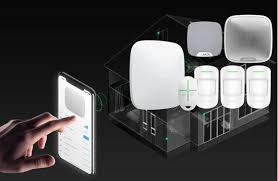
Ajax uses its own encrypted radio protocol (called Jeweller) between sensors and the hub, rather than legacy frequencies. Each sensor communicates with the hub individually using two-way encrypted signalling — the hub doesn’t just detect that a sensor has changed state, it actively polls each sensor and knows immediately if any device is tampered with, goes offline, or has its batteries run low.
The hub communicates to the outside via three independent paths: Ethernet, Wi-Fi, and a built-in SIM card. If your internet connection is cut, the system automatically fails over to cellular. All three paths would need to be simultaneously disrupted to prevent the hub from reporting — a much harder proposition than cutting a single phone line. The communication is end-to-end encrypted, so it can’t be intercepted or spoofed by someone with a radio scanner.
Photo Verification: Knowing What Triggered the Alarm
One of the practical advantages of Ajax that makes a real difference for monitored alarm systems is photo verification. Ajax MotionCam detectors take a burst of photos when motion is detected and send them to the monitoring station along with the alarm signal. The monitoring operator can see a picture of what triggered the alarm before deciding whether to dispatch a response — which dramatically reduces false alarm responses and increases response speed when it’s genuine.
This matters because monitoring stations respond differently to alarms with photo verification than to raw sensor signals. A signal that comes with photos of a person inside the property gets an immediate response. A signal that comes with photos of a cat on the couch or curtains moving gets a verification call instead. Fewer wasted responses, faster genuine responses.
Installation and Flexibility
Because Ajax sensors communicate wirelessly with the hub, installation doesn’t require running cables to every sensor location. For existing homes — particularly Queenslanders and older brick homes where cable runs are disruptive and expensive — this is a significant practical advantage. The system can be expanded by adding sensors without reopening walls or ceilings.
Ajax sensor batteries typically last 3–7 years depending on usage. The system monitors battery levels and alerts you well before replacement is needed. There’s no annual service visit required to check sensor tamper states — the hub reports everything continuously.
Is Ajax Right for Your Property?
For most Brisbane residential and light commercial installs, Ajax is our first recommendation because it’s genuinely better — more tamper-resistant, more reliable communication, easier to install, and easier to use. There are specific situations where a traditional hardwired panel is still appropriate, particularly in high-security commercial applications where Grade 3 or higher certification is required and the site has infrastructure to support it.
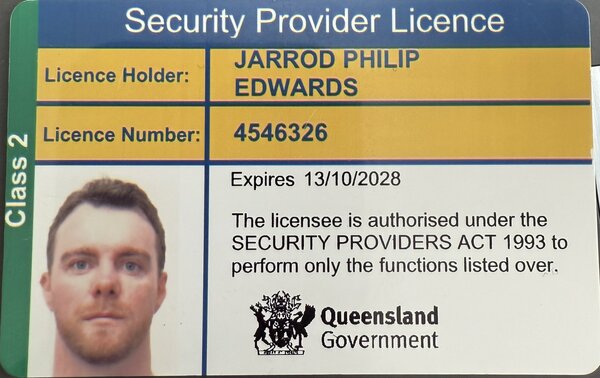
Jarrod will give you a straight answer about which approach makes sense for your property. Call 0490 130 339 or use the contact form to arrange a free site assessment across Brisbane, the Gold Coast, and the Sunshine Coast.