Can Wi-Fi cameras be jammed in Australia? The honest 2026 answer
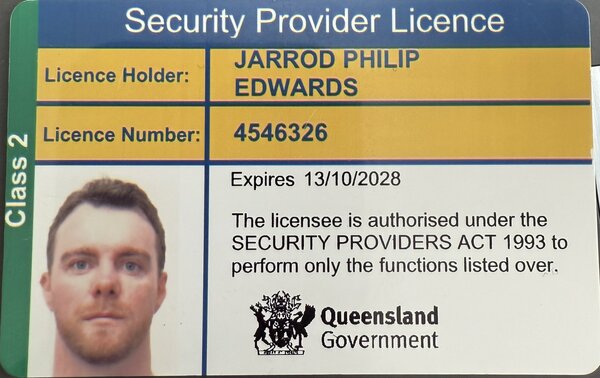
Last updated June 2026. Written by Jarrod Edwards (Mr Secured Pty Ltd, QLD Class 2 Security Provider Licence #4546326), after 15+ years of Brisbane residential security installations. Direct factual answer to a question Brisbane homeowners increasingly ask.
Direct answer
Yes. Wi-Fi cameras can be jammed, and devices capable of doing it are commercially available online for $30-200. Wi-Fi jammers, signal blockers, deauthentication devices, and Wi-Fi deauthers are illegal to use, sell, or possess in Australia under the Radio Communications Act 1992 — but they’re easily ordered from overseas marketplaces and arrive without customs intervention in most cases. This is no longer a theoretical security concern. It’s a current, real-world threat vector for any Brisbane home relying on Wi-Fi-only security cameras.
The plain reality — what these devices actually do
Three distinct device categories that all defeat Wi-Fi cameras:
1. Wi-Fi jammers (broadband 2.4GHz/5GHz radio noise generators)
Pure radio-noise transmitters that flood the 2.4GHz and 5GHz Wi-Fi bands with interference. Every Wi-Fi camera within range (typically 10-100 metres) instantly loses connection to the home router. Cost online: $30-150. Form factor: pocket-sized, battery-powered, often disguised as power banks or USB chargers.
2. Wi-Fi deauthers (protocol-attack devices)
Smarter than blanket jammers. They exploit a flaw in the Wi-Fi protocol (deauthentication frames) to force any selected camera to disconnect from the router — without flooding the airwaves with detectable interference. Costs $20-80 online. Often built into ESP8266 or Pwnagotchi-style hobbyist hardware that’s freely available globally.
3. Multi-band signal blockers
Higher-end commercial / criminal-market devices. Block Wi-Fi PLUS 4G/5G cellular PLUS GPS PLUS Bluetooth simultaneously. Cost $200-600 online. Defeats Wi-Fi cameras with cellular failover (which is most consumer-tier “smart” security camera kits).
What’s legal in Australia
The Australian Communications and Media Authority (ACMA) has banned the use, supply, and possession of Wi-Fi jammers and signal blockers under the Radio Communications Act 1992. Penalties under the Radiocommunications Act 1992 are significant — fines into the hundreds of thousands of dollars and imprisonment, depending on the specific offence and whether prosecution is brought against an individual or company.
The practical reality: enforcement is light, the devices ship from overseas, and the criminal calculus for an opportunist Brisbane intruder is: “I’m already committing a break-in carrying a $30 device, the additional risk from the jammer offence is negligible.”
What the threat actually looks like — practical scenario
An opportunist Brisbane intruder targeting a home protected by Wi-Fi-only cameras (Arlo, Ring, Eufy, Google Nest, generic Bunnings brands) typically follows this sequence:
- 0:00 — Intruder approaches property. Activates pocket-sized Wi-Fi jammer or deauther.
- 0:10 — All Wi-Fi cameras within range disconnect. Mobile app on owner’s phone shows “camera offline” — but the owner is at work or asleep and not actively monitoring.
- 0:30 — Property breach. Door forced, window smashed, garage opened.
- 3:00-15:00 — Intruder is inside the property. No recording happening. No alarm verification possible.
- End — Intruder leaves. Disables jammer. Cameras reconnect. App shows “back online”. Owner finds out the next morning when they discover the break-in.
Critical detail: there is no recorded footage of the intrusion. The cameras saw the intruder for the first 10 seconds before jamming kicked in (if at all — many deauthers disconnect before the recording starts). After that, the cameras might as well not exist.
Why wired PoE CCTV does not have this vulnerability
Real CCTV uses Power over Ethernet (PoE+) cabling to connect each camera to a Network Video Recorder (NVR). No radio signal between camera and NVR. Cannot be jammed by Wi-Fi or RF interference.
For an intruder to defeat a wired PoE CCTV install, they need to:
- Locate the NVR (typically hidden in a lockable cabinet — adds 5-15 minutes to break-in)
- Physically destroy the NVR or steal it (visible, time-consuming, leaves evidence)
- Physically cut individual camera cables (each one separately)
- Defeat UPS battery backup (which keeps NVR + cameras + PoE switch running through 1-2 hours of power outage)
None of this is “$30 pocket device and 10 seconds”. The threat profile is dramatically different.
Why AJAX wireless alarm is NOT vulnerable like Wi-Fi cameras
AJAX wireless alarm uses dedicated sub-GHz Jeweller radio — NOT Wi-Fi. The Jeweller protocol is fundamentally different from Wi-Fi:
- Different radio band: 868 MHz (Europe/Australia regulated) — not the 2.4 / 5 GHz Wi-Fi bands targeted by consumer jammers
- Encrypted bi-directional handshake: sensor and hub confirm every signal; jamming attempts are detected
- Anti-jamming alert: hub detects jamming within 30 seconds and triggers separate cellular-path alert
- EN-50131 Grade 2 certified: European insurance-grade radio reliability
So when people say “wireless cameras can be jammed”, they’re correct about Wi-Fi cameras. AJAX dedicated-radio wireless alarm is a different category and is not vulnerable to commercially-available Wi-Fi jammers. See our wired vs wireless alarm comparison for the full distinction.
What we install at Mr Secured to defeat the jammer threat
Standard Brisbane residential install pattern:
- Wired Dahua TiOC PoE+ cameras — no radio path to jam
- Dahua NVR in lockable hidden cabinet — physically protected, takes 5-15 minutes to find and defeat
- UPS battery backup on NVR + PoE switch — 1-2 hours of operation during power-disconnect tampering
- AJAX wireless alarm using Jeweller sub-GHz radio — not vulnerable to Wi-Fi jammers, hub detects any jamming attempt within 30 seconds
- Active deterrence on Dahua TiOC cameras — red/blue strobe + 100dB siren + two-way audio triggers BEFORE jamming attempt completes (intruder typically backs off as the strobe activates)
- Optional cellular path failover — if internet is also cut, alarm event still escalates via 4G cellular
What you should NOT install if jammer threat matters
- Arlo, Ring, Eufy, Google Nest Wi-Fi cameras as the primary security system
- Generic Bunnings / Aliexpress Wi-Fi cameras
- “Smart” Wi-Fi camera kits that rely entirely on home network
- Any system that depends on Wi-Fi for camera-to-recorder link
These products are convenience cameras designed for monitoring baby rooms, garage interiors, and parcel deliveries — not for protecting a $1.5M Brisbane home from a determined opportunist intruder.
Frequently asked questions
Can Wi-Fi cameras be jammed in Australia?
Yes. Wi-Fi jammers, signal blockers, and deauthentication devices are commercially available online for $30-200 and can disable every Wi-Fi camera within 10-100 metre range within seconds. Use, sale, and possession is illegal in Australia under the Radio Communications Act 1992, but devices are ordered from overseas marketplaces and enforcement is light.
How much does a Wi-Fi jammer cost?
Basic Wi-Fi jammers: $30-150 online. Deauthentication devices (smarter, harder to detect): $20-80. Multi-band signal blockers covering Wi-Fi + cellular + GPS: $200-600. All easily ordered from overseas marketplaces.
Are Wi-Fi jammers illegal in Australia?
Yes. ACMA bans the use, supply, and possession of jammers under the Radio Communications Act 1992. Penalties under the Radiocommunications Act 1992 are significant — fines into the hundreds of thousands of dollars and imprisonment, depending on the specific offence and whether prosecution is brought against an individual or company. Enforcement is light in practice; devices are widely available from overseas marketplaces.
Can intruders disable my Ring or Arlo cameras with a jammer?
Yes. Any Wi-Fi-only consumer camera (Ring, Arlo, Eufy, Google Nest, Bunnings brands) can be defeated by a commercially-available Wi-Fi jammer or deauthentication device for $30-200. The cameras typically lose connection within seconds and remain offline until the device is deactivated.
Are wired PoE CCTV cameras safe from jammers?
Yes. Wired Power-over-Ethernet (PoE+) CCTV uses physical Ethernet cabling between camera and NVR. No radio signal. Cannot be jammed by Wi-Fi or RF interference. An intruder would need to physically cut individual camera cables or locate and destroy the NVR (typically hidden in a lockable cabinet).
Is AJAX wireless alarm vulnerable to Wi-Fi jammers?
No. AJAX wireless alarm uses dedicated sub-GHz Jeweller radio (868 MHz) — not Wi-Fi. Consumer Wi-Fi jammers target 2.4 GHz and 5 GHz bands. The Jeweller protocol also includes encrypted bi-directional handshake and anti-jamming detection; the hub detects any jamming attempt within 30 seconds and triggers a separate cellular-path alert.
What should I install if I’m worried about jammer attacks?
Wired PoE Dahua TiOC cameras with NVR in a hidden lockable cabinet plus UPS battery backup; AJAX wireless alarm (uses dedicated sub-GHz Jeweller radio, not Wi-Fi); active deterrence on cameras to trigger before the intruder reaches the property; optional cellular path failover so alarm events still escalate if both internet and Wi-Fi are cut.